Guides
Replacing the glass vs replacing the whole window
Broken or foggy window glass can make this choice feel bigger than it is. In many homes, you may be able to replace just the glass, but sometimes the whole window makes more sense.
What to do right now
If the glass is broken, start with safety and keep it simple.
- Keep people and pets away from the area.
- If anyone is cut, get first aid or call your local emergency number first.
- Wear shoes and thick gloves before touching broken glass.
- Pick up larger pieces carefully and place them in a sturdy box or thick bag.
- If the opening is exposed, cover it as safely as you can to keep out weather until a pro can look at it.
- Take a few photos from inside and outside.
Clearpane is a free matching service, not a glass company, licensed glazier, or contractor. We give general information only and can help you get connected with licensed, insured local glass pros through get matched.

The short version: what is the difference?
Replacing the glass usually means keeping the existing window frame and changing only the glass part. This is common when the frame is still in good shape and the main problem is cracked glass, shattered glass, or a foggy double-pane insulated glass unit (IGU).
Replacing the whole window usually means removing the full window unit, including more than just the glass. That may make sense if the frame is rotted, warped, badly leaking, hard to open, out of square, or near the end of its life.
Neither option is always "better." The right choice depends on the condition of the frame, the kind of window you have, whether the issue is only the glass, and what a licensed glass pro or window contractor finds on site.
When replacing just the glass often makes sense
Glass-only replacement is often the simpler path when the frame is solid and the window still works normally. A common example is a foggy double-pane window where the seal has failed, but the frame itself is fine. Another is a single broken pane in a sash or patio door where the surrounding parts are still in good condition.
This option can also make sense if you want to restore the look and function of the window without taking on a bigger project. In many homes, replacing only the failed insulated glass unit is faster and less expensive than replacing the full window.
A licensed, insured glass pro can tell you whether your existing frame can safely take a new pane or IGU. Local code matters too, especially where tempered or other safety glass may be required, such as in doors, shower areas, and some low or large windows.
Typical situations where glass-only replacement may be possible:
- Cracked or shattered glass but the frame is intact
- Foggy or cloudy double-pane glass from seal failure
- A broken pane in a sliding patio door, storm window, or some older windows
- Chips or damage limited to the glass, not the frame or hardware
- Often less work than a full window replacement
- May cost less when the frame is still sound
- Can preserve the look of the existing window trim and frame
When replacing the whole window may make more sense
A full window replacement may be the better choice when the problem goes beyond the glass. If the frame has water damage, rot, warping, air leaks, broken hardware, or the window no longer opens and closes properly, changing only the glass may not solve the real issue.
This can also come up with very old windows, damaged vinyl frames, failed balances, or windows with repeated leaks. In those cases, putting new glass into a worn-out frame may not be the best use of your money.
Some homeowners also choose full replacement for appearance, energy upgrades, or because matching an older glass unit is difficult. Still, it is worth asking whether the frame is actually bad, or whether only the glass has failed. Sometimes people are pressured toward a full replacement when glass-only repair is still possible.
Watch for red flags:
- Someone pushes immediate full replacement without inspecting the frame closely
- The price is vague or only given verbally
- You are told to pay cash only
- They cannot show license or insurance when asked
- They use scare tactics instead of explaining your options
Cost: glass replacement vs whole window replacement
In many homes, replacing just the glass costs less than replacing the whole window, but the real number depends on the glass type and thickness, size, area, and labor. These ranges are general information only, not quotes.
For glass-only work, a small single-pane repair may sometimes fall around $150-$400. A double-pane insulated glass unit replacement often lands somewhere around $250-$700 or more per opening. Tempered, laminated, oversized, custom-shaped, or patio door glass can run higher.
For full window replacement, costs are usually higher because the job involves more materials and labor than changing only the pane or IGU. In many areas, full replacement may start in the several-hundred-dollar range per window and can go well above that depending on size, frame material, style, finish, and installation conditions.
What changes the price most:
- Single-pane vs double-pane / IGU
- Annealed vs tempered vs laminated glass
- Size and thickness of the glass
- Custom shapes, grids, tint, low-E coatings, or edge work
- Accessibility, such as upper floors or hard-to-reach windows
- Emergency board-up or urgent service
- The condition of the existing frame and hardware
Get the price in writing before work starts. Compare quotes if you can. The household stays in control: you confirm the price before work begins, choose who to hire, and confirm the glass is installed correctly before paying the final amount.
How to decide without getting pushed into the wrong job
A calm way to approach this is to ask one simple question first: is the frame still in good shape? If yes, glass-only replacement may be worth exploring. If no, a full replacement may be more practical.
When you talk with a pro, ask them to explain exactly what failed: the glass, the seal, the sash, the frame, the hardware, or more than one part. Ask them to show you what they are seeing in plain words. A good pro should be able to explain why glass-only replacement is or is not a fit for your situation.
It is also reasonable to ask whether there is more than one good option. You do not have to agree on the spot. If this is a rental, who pays and who approves the work may depend on your lease and local rules, so check with the landlord or property manager.
For more background, you can browse repair guides or see common home glass issues on our repairs page. If you want help finding someone nearby, Clearpane can match you free with a local glass pro. We only collect contact and project details such as your name, phone, optional email, project type, ZIP, and preferred language.
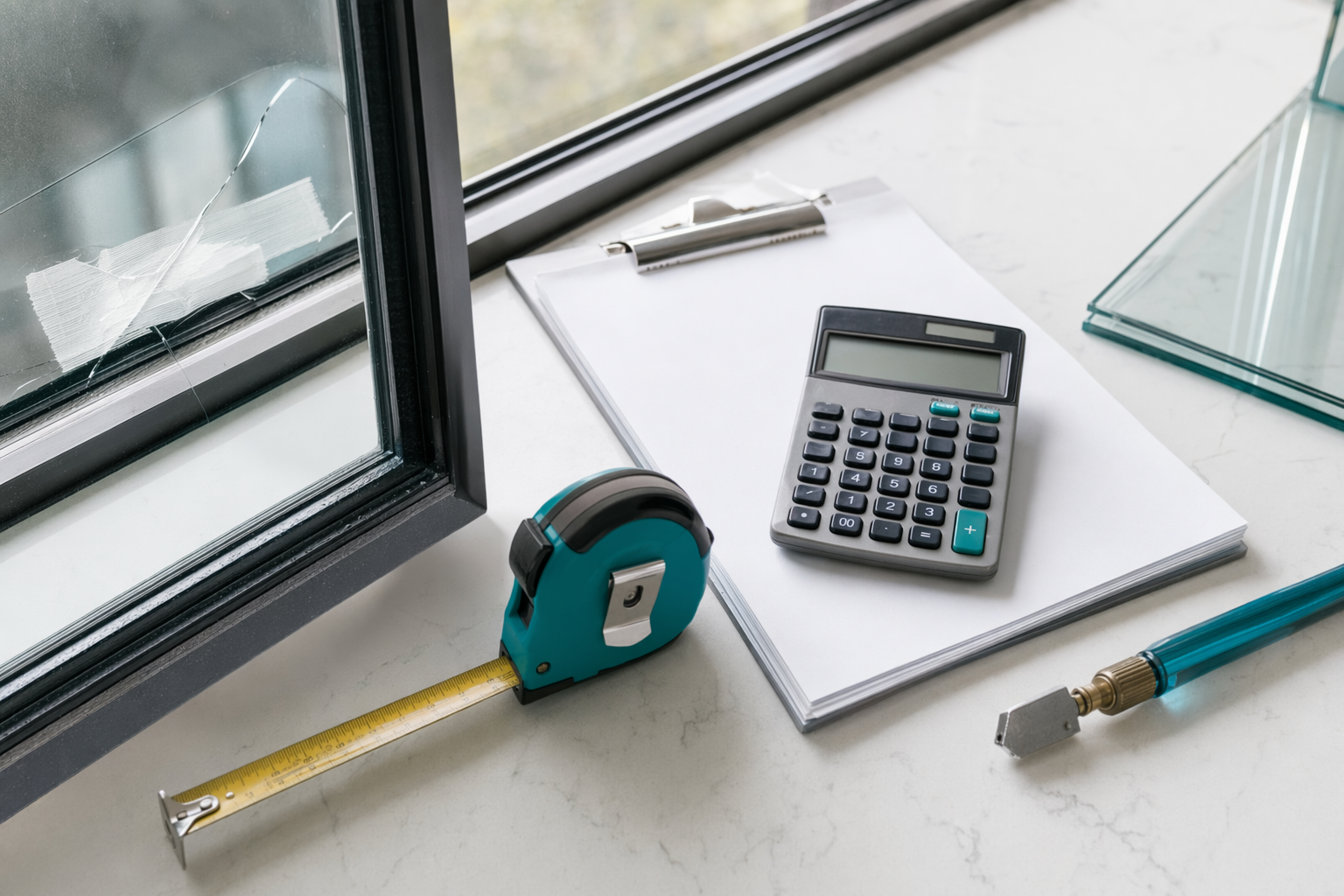
If the frame is still good, you may only need new glass; if the frame is damaged or worn out, replacing the whole window may make more sense.
Common questions
Can I replace just the glass in a double-pane window?
Often yes, if the frame is still in good shape. A licensed glass pro can tell you whether the failed insulated glass unit can be replaced without changing the whole window.
Is it cheaper to replace the glass instead of the whole window?
Often yes, but not always. The real cost depends on the glass type, size, safety requirements, frame condition, labor, and your area, so get written quotes.
If my window looks foggy between the panes, do I need a whole new window?
Not necessarily. Fog between panes usually means the insulated glass seal has failed, and sometimes only the glass unit needs replacing if the frame is still sound.
When should the whole window be replaced?
Full replacement may make more sense if the frame is rotted, warped, leaking badly, broken, or no longer operating properly. A pro should inspect the frame, not just the glass.
Can a landlord make me pay for a broken window?
That depends on your lease, how the damage happened, and local rules. If you rent, contact the landlord or property manager first unless it is an urgent safety issue.
How do I avoid overpaying for home glass repair?
Get the price in writing before work starts, ask whether glass-only replacement is possible, compare quotes, and verify license and insurance. Be cautious with vague pricing, pressure tactics, cash-only demands, or anyone pushing full replacement without a clear reason.