Quick answers
Tempered vs regular glass for a tabletop?
If you’re choosing glass for a tabletop, the big question is whether it needs to be tempered for safer breakage. This guide explains tempered vs regular glass in plain words and how to get a licensed local pro to help.
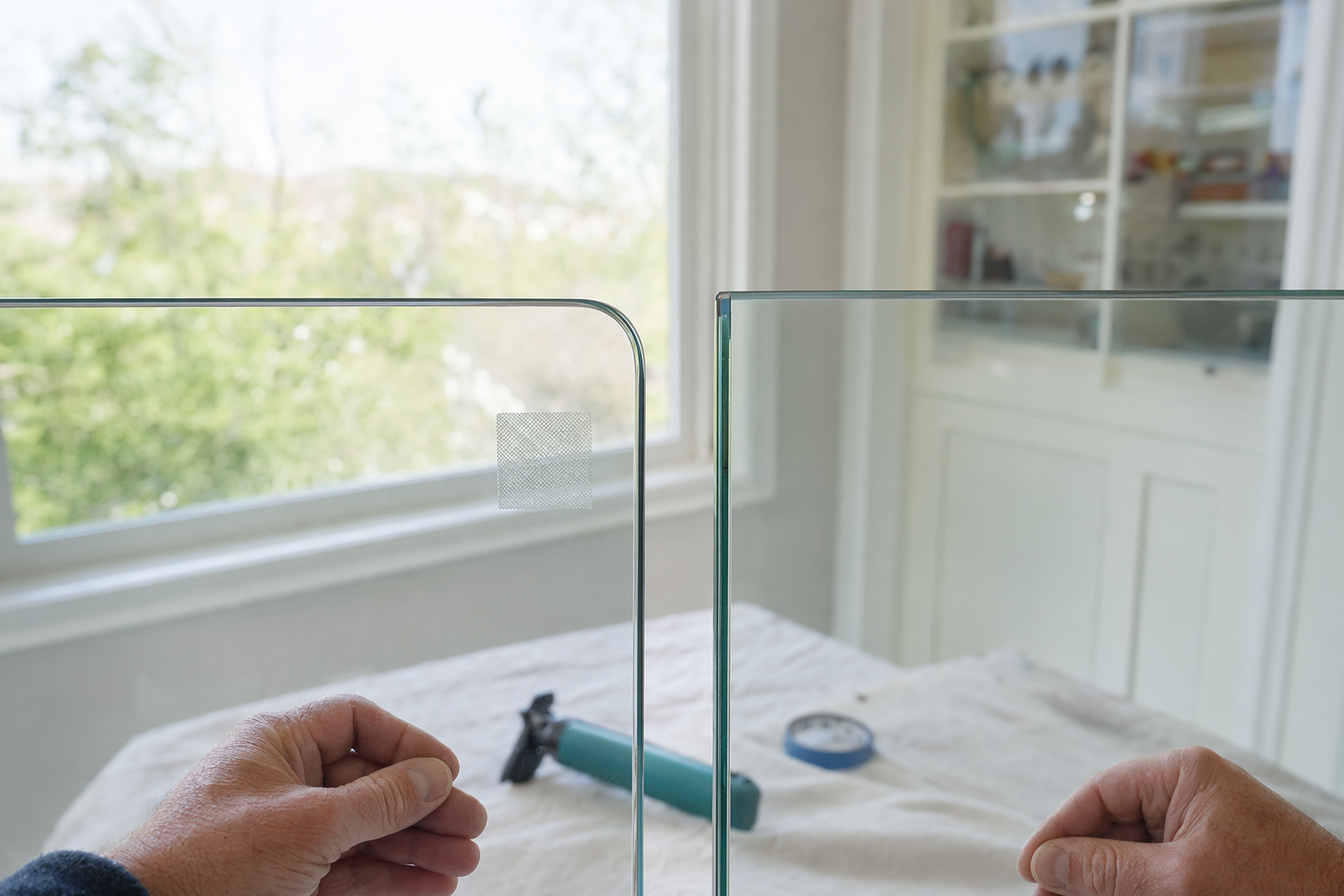
What to do (answer first): Tempered is usually the safer choice for a tabletop
For most home tabletop uses, tempered glass is the common choice because it breaks into smaller pieces instead of long sharp shards. “Regular” (often called annealed) glass can still be used in some situations, but it’s generally less safe for surfaces people bump into.
If you’re not sure what you currently have, don’t guess—check the glass markings (if visible) or ask a licensed, insured glass pro to identify the existing glass before replacing it.
- If the tabletop is in a door, shower area, or a place people could get cut, tempered is commonly required by local code.
- If you’re replacing a broken tabletop, the right type also depends on size, thickness, and how the glass is installed.

Tempered vs regular (annealed) glass: the plain difference
Regular glass (often annealed) is made so it cools slowly. When it breaks, it can create larger, sharper shards.
Tempered glass is heated and cooled in a controlled way so it becomes much stronger and breaks differently—usually into smaller, more rounded pieces. That “break pattern” is why it’s often used for furniture and certain home openings.
There are other types too (like laminated glass), but when people ask “tempered vs regular,” they usually mean tempered safety glass vs annealed glass.
- Tempered = stronger + safer break pattern (smaller pieces).
- Annealed/regular = often not treated as safety glass for impact-related uses.
Single-pane vs double-pane: which matters for a tabletop?
“Single-pane” vs “double-pane” (also called insulated glass units or IGUs) is mostly about insulation—keeping heat in or out for windows.
Tabletops are typically single-layer glass (single-pane), because insulation isn’t the main goal. Double-pane units can be heavier and more complex, and they’re usually not the default for furniture surfaces.
If you’re replacing a tabletop and someone suggests an insulated double-pane unit, ask why it’s needed and whether it fits your tabletop supports and thickness requirements.
- Tabletops are usually single-pane glass.
- Double-pane/IGU is typically for windows, not furniture.
Tempered vs regular glass for your situation: what to consider
Even if tempered is often the right answer for safety, the “best” glass depends on your tabletop’s size and how it’s mounted (set into a frame, held by clamps, or sitting on hardware). The final fit also depends on edge work (how the edges are cut and finished).
Also think about how the tabletop is used. A dining table or coffee table where people and kids are moving around tends to need safer break behavior. A display table or low-risk surface might be treated differently, depending on local expectations and the way it’s installed.
If your tabletop has cracks, chips, or breaks, you’ll also want the pro to check for things like special coatings or prior repairs—because the original glass type may not be obvious.
- Size and thickness affect strength and how glass can be safely handled.
- Edge work matters for how it fits and how it feels on touch.
Red flags when shopping for tabletop glass
If you’re getting quotes, be cautious with pressure tactics or vague promises. In home glass, you want clear information on the glass type (tempered vs annealed), thickness, and edge finish.
Common red flags include: a quote that doesn’t say what type of glass you’re getting, “scare” messages meant to push an unnecessary full replacement, and refusing to put details in writing.
Also avoid “cash only” offers without receipts or without proof the installer is licensed and insured where required in your area. Requirements vary by state and city, but licensed/insured is a good baseline to protect your household.
- No clear glass type stated (tempered vs regular).
- No written price details or sudden pressure to decide quickly.
If glass is broken right now: make the area safe first
If the tabletop is already broken, your first goal is to prevent cuts and keep the opening from getting worse. Even tempered glass can break—then it still needs careful handling.
If anyone is injured, get first aid immediately and call your local emergency number if needed. After that, secure the area so pets and people don’t step on shards, and use careful cleanup methods.
Once it’s safe, contact a licensed, insured glass pro for identification and replacement. Clearpane can help you get matched—free—for residential glass repair.
- Wear protective gloves and use a careful, slow cleanup (don’t run a broom over loose shards).
- Keep broken glass away from children and pets until it’s fully cleaned up.
How to choose a licensed glass pro (and how Clearpane helps)
Clearpane is a FREE matching service—we do not install glass and we are not a glass company. We collect contact details and your project intent (like “tabletop glass”) plus your ZIP code and preferred language, then help connect you with licensed, insured local glass pros who do residential repairs.
When you request help, ask the pro to confirm the glass type (tempered or annealed), thickness, and the kind of edge work you need. The household should stay in control: confirm the price before work starts, compare options, and make sure the correct glass is installed before you pay the final amount.
For transparent expectations, see tabletop glass repair costs for typical ranges and what changes the price.
- Get the glass type and thickness in writing before work starts.
- Confirm fit and finishing details before you pay the final amount.
For most home tabletop uses, tempered glass is the safer choice; Clearpane helps you find a licensed, insured local glass pro (free) to match the correct glass type, thickness, and fit.
Common questions
How can I tell if my tabletop glass is tempered or regular?
Sometimes there are small markings on the edge or surface, but not always—especially if it’s been cut down. The most reliable way is to have a licensed, insured glass pro identify it (and match the thickness and edge work).
Is tempered glass always required for a tabletop?
Not always everywhere, but tempered is commonly used because it breaks into smaller pieces and reduces the chance of long sharp shards. Local expectations and how the glass is installed can matter, so it’s best to verify with a licensed glass pro.
Does tempered glass cost more than regular glass?
Often it can, but the real price depends on the glass thickness, size, edge finishing, and what work is needed for the fit. Check [glass repair costs](/costs/) for honest ranges and drivers—not quotes.
If my tabletop has a small chip, do I have to replace the whole piece of glass?
In many cases, yes—especially if the glass is tempered or safety-rated. A pro can advise what’s practical for your specific tabletop, but avoid getting pushed into a more expensive option without clear details.
Can I replace tabletop glass with a double-pane IGU to make it more durable?
Usually tabletop glass is single-pane. Double-pane/IGU units are heavier and not typically used for furniture tops; fit and support requirements can also be different. Ask a licensed pro for the best match to your tabletop.